
Every home comes to market differently.
Most homes don’t get ready all at once.
It usually starts in small ways, something you notice, something you’ve been meaning to take care of, something that no longer feels quite right.
The front walk that could use attention.
A room that’s slowly become a place for everything.
A detail you’ve stopped seeing, until suddenly you do.
These shifts don’t happen overnight.
They build over time, often without a clear starting point.
And gradually, they begin to shape how the home feels, both to you, and to someone seeing it for the first time.
Where Buyers Begin
When someone sees your home for the first time, they’re not thinking in categories. They’re not separating exterior from interior. They take in the experience all at once. What they notice first is often simple.
The condition of the approach. Whether the entry feels maintained. If anything pulls attention away before they even step inside. A walkway that feels unclear. Landscaping that’s been left a bit too long. An entry that feels more overlooked than intentional. These aren’t major issues. But they begin to shape expectation. Once inside, that expectation either settles or it doesn’t. Buyers read the space quickly.
How open it feels. How easy it is to move through. Whether the home feels cared for, or simply lived in. This is where preparation tends to matter most. Not in changing the home, but in allowing it to be understood without effort.
What Makes the Biggest Difference
Across most homes, the impact comes from a few focused areas. Clearing what’s accumulated over time. Allowing rooms to feel like they have space again. Reducing what competes for attention. It’s not about making a home feel empty. It’s about making it easier to see.
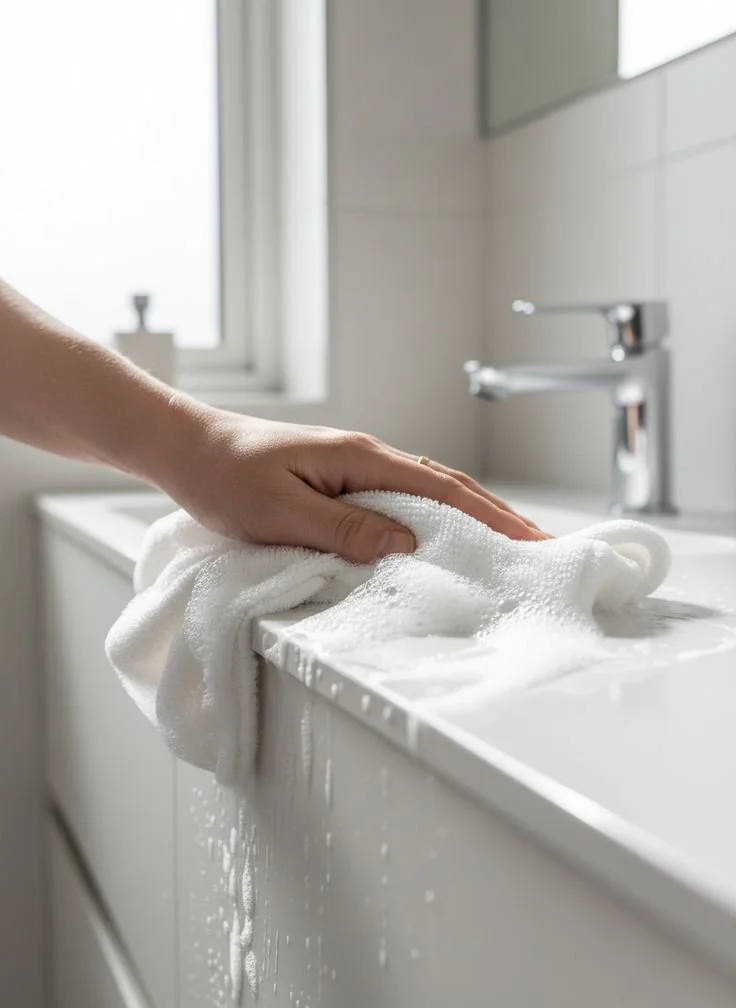
Cleaning also plays a larger role than many expect. Not surface-level, but a level of care that shows. Windows that let in full light. Floors that feel consistent. Kitchens and bathrooms that feel maintained, not just used. These details quietly build trust.
There are also moments where small updates are worth considering. Walls that have worn over time, where a fresh coat of paint can quietly reset the space. Lighting that feels dated or too specific. Hardware that no longer feels consistent from room to room. Not everything needs to be replaced. But when a few of these elements are addressed, the home begins to feel more cohesive.
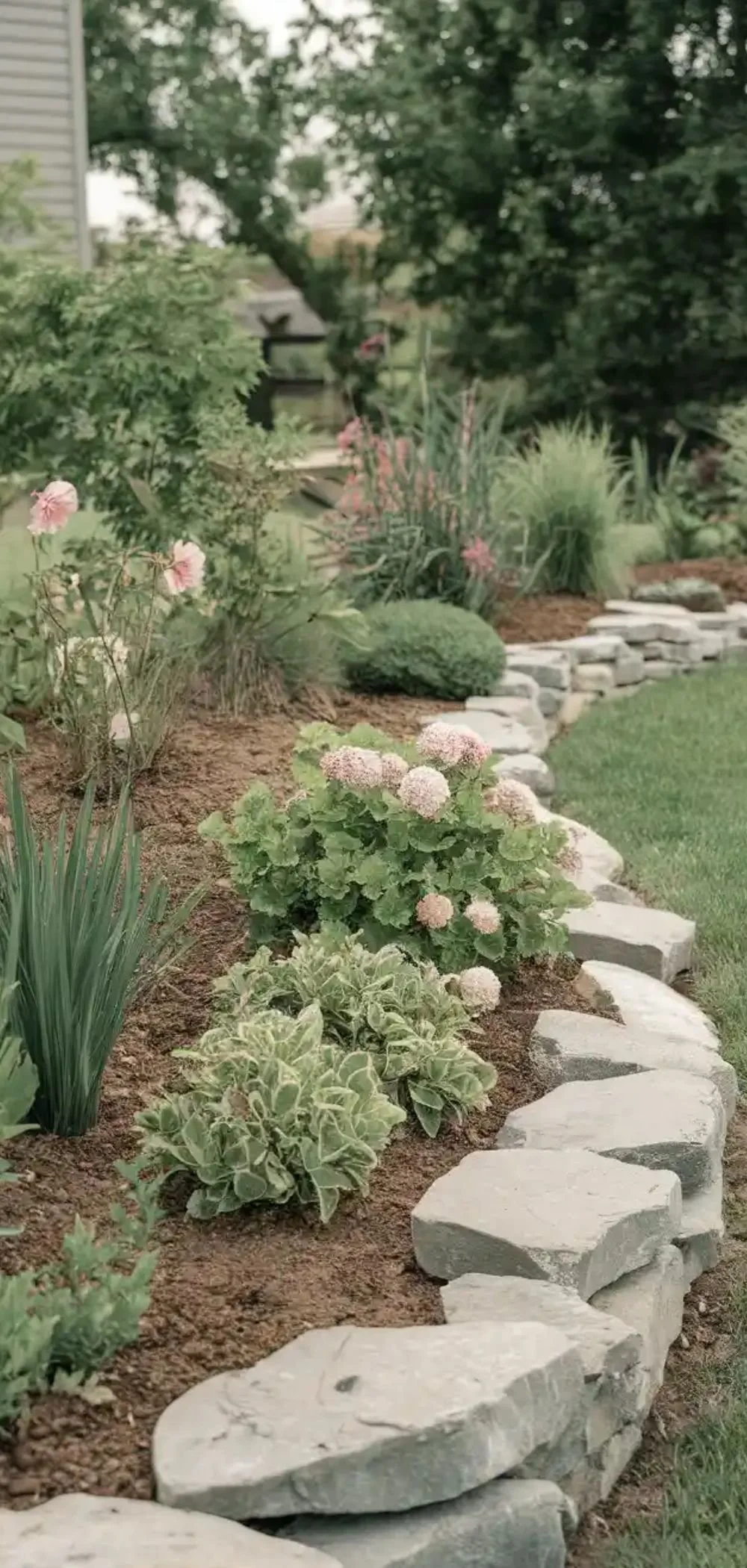
And then there’s the outside. Because it stays with the buyer longer than expected. A clear path. A clean entry. Landscaping that feels intentional. It doesn’t need to be redesigned. It just needs to feel cared for.
When Preparation Is Personal
For many, preparing a home isn’t just about getting ready to sell. It’s connected to something larger. A move that wasn’t originally planned. A shift toward something more manageable. A home that holds years of belongings, or years of memories. In these situations, the process can feel less straightforward. It’s not just deciding what looks best. It’s deciding what stays, what goes, and what comes next. And that takes time.
Preparation, in these moments, often happens differently. It may begin with one room at a time. Sorting through what’s been collected over years. Making decisions gradually, rather than all at once. There’s no advantage in rushing it. What matters more is creating space, physically and mentally, to move forward.
Moving Forward, Thoughtfully
When the time does come to list, the strongest impressions rarely happen by accident. They come from a home that feels cared for. A home that’s easy to move through. A home that doesn’t ask too many questions. Buyers don’t separate one detail from the next. They respond to the overall experience. And when that experience feels clear, it allows them to focus on what matters most.
The Value of the Right Support
It can be difficult to see your own home this way. To know what stands out and what doesn’t. What’s worth addressing, and what can be left as is.
That’s where the right perspective can make things feel more manageable. Not by adding more to the process, but by helping you focus on what will have the most impact.
If you're beginning to think about preparing your home for sale, I’m here to help you move through that process in a way that feels clear, considered, and aligned with what comes next.